Resident Evil Requiem Explained: Lore, Mythology, Elpis Secrets, and The Connections
While Resident Evil Requiem largely explains its own narrative and mysteries, a deeper dive into the lore, particularly concerning Grace, Leon, and their return to Raccoon City, reveals more intriguing layers. This article contains major spoilers and is intended for those who have completed the game or don't mind foreknowledge.
The story centers on Grace Ashcroft, an FBI analyst and daughter of Resident Evil Outbreak's Alyssa Ashcroft, who is abducted by "The Connections." This secret organization believes Grace holds the key to unleashing Umbrella's most potent virus. Simultaneously, Leon Kennedy races back to Raccoon City, not only to rescue Grace but also to find a cure for a life-threatening infection affecting both him and Sherry Birkin.
For newcomers to the Resident Evil universe, the constant mention of various clandestine organizations, malevolent megacorporations, and interconnected governmental groups can be quite confusing. The game itself seems aware of this, as completing it unlocks a gallery featuring Grace's report on Umbrella's history, its viruses, and the conspiracies behind the game's events. This report serves as an excellent starting point for understanding Resident Evil Requiem's story and lore.
This is not merely a zombie story. It's a tale of corporate espionage, government corruption, and greed, but also one of second chances and redemption.
Umbrella and Its Relationship with The Connections
Although Grace's report touches upon this, it's worth clarifying key points about these two malicious organizations. Umbrella, founded by Ozwell E. Spencer and James Marcus, masqueraded as a pharmaceutical company while secretly pursuing viral development to force human evolution, achieve immortality, and create a superior race. "The Connections" (also known as "Los Nexos" in some localizations), a clandestine criminal society of wealthy and powerful individuals with significant governmental influence in the U.S., recognized the potential of Umbrella's research. They orchestrated a conspiracy to wrest control of the company from Spencer.
Through corporate espionage, sabotage, and infiltration by agents like Ada Wong and Albert Wesker, they eventually seized Umbrella's assets following the Raccoon City tragedy in the late 1990s. This acquisition propelled them into the lucrative biological weapons trade, making them even wealthier and more powerful, even allowing them to orchestrate the assassination of a U.S. president who threatened to expose them. In Resident Evil Requiem, The Connections aim to control Elpis, believed to be Umbrella's ultimate creation capable of controlling human consciousness. Victor Gideon, a former Umbrella researcher, convinced them that Grace Ashcroft, the sole survivor of Umbrella's experiments at the Raccoon City orphanage, was the key to unlocking Elpis.
The Rhodes Hill Medical Center Experiments
Under the guise of a private medical center for chronic mental illnesses, Victor Gideon continued Ozwell Spencer's experiments on mind control and memory transfer, utilizing a mutated T-Virus variant. This variant allowed victims to retain pre-transformation characteristics.
Obsessed with Spencer's goals, Gideon also sought to create a clone of Grace using this mutated T-Virus, hoping the clone would "remember" the password to unleash Elpis. Maria and Emily were products of these unsuccessful experiments; both mutated without demonstrating knowledge of the sought-after information, partly due to the difficulty in controlling virus-affected memories, and partly because Grace herself didn't possess the information they believed.
Faced with repeated failures, The Connections, through their agent Zeno, compelled Gideon to locate the real Grace. He devised a plan, discovering her identity as an FBI analyst. He then murdered several Raccoon City survivors and manipulated FBI internal policies to ensure Grace was assigned to investigate, providing the perfect opportunity for her abduction and the start of his experiments.
Messages found at Rhodes Hill suggest plans to use Grace's blood for new, more successful memory-inheriting clones or to transfer her memories. However, Leon's intervention forced Gideon and Zeno to bring the "original" Grace to Raccoon City and compel her to enter the key herself.
What the Elpis Virus Really Is
During their time in the ruins of the Raccoon City police station, Zeno informs Grace that Elpis is a virus capable of controlling human consciousness. However, this is later revealed to be untrue, though easily believed given Umbrella's and Ozwell Spencer's notorious history.
Spencer, believing humanity was in decline and seeing himself as superior, initially aimed to "evolve" humanity through his viruses and become a god-like figure. When his quest for immortality failed, he shifted focus to controlling consciousness and memories, not just to transfer his mind to a younger body, but to ensure humanity followed his directives.
The Connections, however, lacked such ideological ambitions, viewing viruses purely as a means to gain wealth and power. This is why they weaponized Umbrella's creations, selling them to governments, military groups, and terrorists. What they didn't realize was that Elpis was not a virus, but a potent antiviral capable of eradicating all traces of viruses derived from the Progenitor Virus, including the T-Virus, G-Virus, and their various prototypes and variants.
While Spencer likely didn't create Elpis with altruistic motives—more probably as a personal safeguard or a tool to sow chaos among rival Umbrella factions—his perspective shifted with age. He reportedly regretted his horrific creations in pursuit of immortality, eventually seeing Elpis not as a weapon, but as a symbol of hope, which inspired its name.
Pandora's Box
This famous Greek myth serves as a direct inspiration for many elements in Resident Evil Requiem.
According to Hesiod's poems, Pandora, the first woman created by Hephaestus, was given a sealed jar (often misinterpreted as a box) as a wedding gift by Zeus, with the strict instruction not to open it. Driven by curiosity, Pandora inevitably opened the vessel, unleashing all the evils that plague humanity, such as rage, envy, and famine. Desperate, she sealed the jar shut, but one entity remained inside: Elpis, the spirit of hope.
In the game, it's no coincidence that the room where Elpis is sealed is named Pandora. Umbrella's laboratories, like the ARK, which unleashed viruses and biological weapons upon humanity, represent the "box" from which all evils emerged. Yet, within it, the hope symbolized by Elpis persisted. Grace, akin to the Graces of mythology who adorned Pandora with jewels, ultimately released the sole good contained within this "box."
However, there's a subtle contradiction in drawing a direct analogy between Pandora's Box and Resident Evil Requiem's story. While this setup suggests Spencer is the equivalent of Zeus, another character's name directly links to the father of the gods.
Who is Zeno?
Although his name—a variant of Zeus—suggests deeper significance, Zeno is ultimately presented as an operative for The Connections, seemingly not even among their highest ranks.
His striking resemblance to the iconic Resident Evil villain, Albert Wesker, has fueled speculation that he might be a clone or a product of the "Project W" experiments. The latter can be largely dismissed, as none of the "Wesker children" shared his name, and they are canonically deceased by the time Requiem's story unfolds (though the game's frequent "retcons" make such a revival not entirely surprising).
It is most probable that Zeno is either a clone or the result of genetic manipulation using Albert Wesker's DNA; Victor Gideon himself describes him as a "copy." Another possibility is that he is an entirely different individual intentionally infected by a prototype virus by The Connections in an attempt to create "their own Wesker," or perhaps a descendant of one of the original "Wesker children," like Jake from RE6.
Interestingly, Zeno attempts to distinguish himself from the "original" by wearing white, the inverse of Wesker's characteristic black attire.
It's also noteworthy that Zeno exhibits the same dark spots on his face and neck as Leon and Sherry, suggesting he was at some point infected with the T-Virus variant that spread through Raccoon City. It remains unclear whether he was a Raccoon City survivor, intentionally infected by The Connections as part of the experiment that granted him his abilities, or if the Progenitor virus simply has similar long-term effects to the T-Virus.
Speaking of which…
The "Umbrella Curse": The T-Virus Mutation
The T-Virus variant that ravaged Raccoon City is capable of continued mutation over time, even in individuals treated with the Daybreak vaccine. Nearly 30 years later, survivors like Leon Kennedy and Sherry Birkin are experiencing severe pain, loss of consciousness, and dark skin lesions. These symptoms indicate the virus is entering its terminal stage, leading inevitably to the infected's death. The only apparent treatment is Elpis, the antiviral agent created by Umbrella, which possesses the ability to completely eliminate all traces of viruses derived from the Progenitor Virus.
It's important to clarify that there is another mutated T-Virus version in Resident Evil Requiem. This is the strain discovered by Victor Gideon and used in his memory transmission experiments at the Rhodes Hill patient center. This version can also reanimate infected corpses into "Blister Heads," but it is entirely unrelated to the long-term mutation affecting Raccoon City survivors.
This new aspect of the infection significantly complicates the Resident Evil canon, raising many questions about the status of other Raccoon City survivors such as Claire Redfield, Jill Valentine, Ada Wong, Carlos Oliveira, and the Outbreak characters. Are they all infected? If so, why are they not mentioned in Requiem?
Despite these canon implications, these delayed effects of the T-Virus hold immense importance within the game's thematic framework, especially concerning Leon.
Leon, Grace, and "Survivor's Guilt"
Despite his calm demeanor and tendency to joke in dangerous situations, Leon carries the profound trauma of surviving Raccoon City while tens of thousands of innocent lives were lost. As one of the few truly virtuous police officers dedicated to "protect and serve," he feels immense guilt for not being able to save anyone beyond Sherry—whom he helped escape the city with Claire's assistance—and now Sherry herself is endangered by the T-Virus mutation.
Since then, Leon has diligently worked to save more lives (like Ashley Graham in RE4), yet he continues to experience loss (including his boss and friend, President Graham, in RE6). This is why Zeno's message at the police station, "you can't save anyone," deeply affects him. His return to Raccoon City represents an opportunity to "atone" for his past inability to save the city, and, crucially, to ensure the survival of the one person he did save: Sherry.
Grace experiences a similar situation, clearly traumatized by witnessing her mother's murder. She feels she should have acted and deeply regrets not saving her (despite realistically having been unable to do much). Upon learning she is the supposed key to Elpis and potentially the reason her mother was killed, she enters a crisis as her feelings of guilt escalate and become unbearable.
While at Rhodes Hill, Grace needs to save Emily, and later Leon in Raccoon City, not merely because she is a good person who wouldn't abandon others in such circumstances, but because her trauma compels her to protect someone, just as her mother protected her.
By the game's end, both characters find the second chance they yearned for. Grace is able to provide Emily with a loving home, mirroring the one Alyssa gave her. Leon can finally "return home" with satisfaction, having at last saved someone else from Raccoon City's curse. Much speculation has arisen regarding who he is married to, but the "shipping war" sparked by this question often overshadows its true meaning. It doesn't matter if it's Claire, Ada, or Chris; the significance lies in Leon donning the ring as a declaration that he can finally return home and leave behind the trauma he endured. The game's director confirmed in an interview that this was the narrative objective of that scene.
A Damsel in Distress?
Another element that raises concerns about the future of Resident Evil post-Requiem is the portrayal of its female characters. Since its inception, the series has boasted an excellent cast of strong women warriors, including Jill Valentine, Claire Redfield, Ada Wong, and Sheva Alomar. However, all numbered titles since RE7 have featured male protagonists dedicated to rescuing a female character—be it Mia, Rose, or Grace herself—not to mention the RE4 remake where Ashley needs rescuing. In these games, the "women warriors" are relegated to secondary roles or DLC.
This is not to diminish Grace, who is an excellent character with compelling gameplay, but placing her alongside the nearly invincible Leon, with her struggling to defeat even a simple zombie, creates a ridiculous imbalance that invites tired debates about gender roles. While it's true that not all video game women need to be combat-ready, and Resident Evil has nothing to prove in this regard, there was an easy way to avoid this specific issue.
I perfectly understand Leon's immense popularity among both men and women, but I cannot help but think that Jill Valentine would have been much more effective in the same role within Resident Evil Requiem. She is also a Raccoon City survivor, a police officer who tried and failed to save the city, and has also been infected by not one, but multiple viruses. Her combat capabilities are equal to or superior to Leon's, and her connection to the BSAA would have provided an equally valid excuse as Leon's DSO affiliation to integrate her into the story. Furthermore, as a woman, she could have taken on the role of a surrogate mother for Grace, which would have resonated much more deeply with the themes of Grace's past and trauma.
It is fortunate that the remakes of RE2 and RE3 allowed us to play as Jill and Claire, but the advancing storyline is leaving them behind. We know Capcom is working on new installments of the series—including DLC for Requiem and a remake that could be Code: Veronica, RE0, or RE5—and we hope these games will restore the prominence of these fan-favorite women, who deserve to reclaim the spotlight or at least share it with their male colleagues.
The Redemption of Ozwell Spencer
One of the most controversial elements of Resident Evil Requiem's plot is its portrayal of Umbrella's founder and a key antagonist of the series, Ozwell Spencer. In all previous mentions and appearances, Spencer was depicted as a megalomaniacal, selfish, and manipulative billionaire, even complaining in Resident Evil 5 about not having "become a god" and reiterating his goal of "creating a race of superior humans." However, in the new game, we encounter a man repentant of his actions, seeking a path to redemption.
This is a definitive "retcon," an alteration of previously established canon. The idea of a man as terrible as Ozwell Spencer seeking to "save his soul" at the end of his life isn't inherently strange and aligns with the themes of "second chances" present for characters like Leon and Grace. However, the stark contrast with Spencer's previous depiction has angered fans, some for the canonical contradiction, others because they believe Spencer doesn't deserve redemption.
Spencer's historical representation of eugenics—the belief in "improving" humanity through genetic manipulation and selective breeding—is rooted in racist, ableist, and classist ideologies that posit some people are "better" than others. Spencer also symbolized the saga's longstanding critique of corporate power. What does it say about society that such a figure is now offered redemption, especially as real-world billionaires and corporations wield unprecedented control and power?
Another intriguing element of this version of Spencer is a painting found in his ARK office depicting a woman holding a baby (two versions exist, one from the back, one from the front). All signs point to this being Miranda, the villain from Resident Evil Village, holding her deceased daughter Eve. While we knew Spencer considered Miranda his mentor and greatly admired her, could he have been in love with her?
Theories suggest Eve might have been Spencer's daughter, or that he simply desired a family with Miranda. The painting's appearance supports this, suggesting that perhaps his decision to save the infant Grace was influenced by these desires for a family with his lost love.
Retcons are not uncommon in long-running video game series like Resident Evil; examples include Wesker's survival of the mansion incident in the first game to reappear in Code: Veronica. If Capcom does indeed proceed with an RE5 remake, it will undoubtedly feature plot alterations to align with this new narrative direction.
The Legacy of Resident Evil
Much has been written about how Resident Evil Requiem "pays homage to previous games in the saga." This isn't just about combining the survival horror styles of early entries with the action horror of later ones, but also through its revisitation of locations, themes, and concepts from prior games. The clearest example is, of course, Raccoon City and its police station. The game presents the ruins of this building with a reverence for the past that may not always be warranted.
With elements like these, Requiem falls into the clichés of "legacy sequels." This trend—primarily in cinema but also present in literature and other media—involves continuing stories decades later with new characters, while bringing back original protagonists and heavily reverencing or referencing previous storylines. While many "legacy sequels" are good, most are rightly criticized for excessively appealing to nostalgia and prioritizing brand recognition over narrative quality.
In 2025, film critic Patrick Willems published two video essays on "legacy sequels" that are highly recommended. After watching them, it's impossible not to recognize that the ninth main installment of our beloved zombie saga is committing many of the same "sins" as this type of cinema.
This doesn't mean Resident Evil Requiem isn't a good game—personally, I think it's excellent—but it raises concerns about the series' future direction. I like Leon, but I don't want to see him starring in most games. I enjoy action horror, but not when it prevents the evolution of survival horror systems.
A Requiem for Raccoon City
The title of this game carries a very clear meaning. In Catholic tradition, a requiem is a mass offered in honor of the deceased, and many believers hold that souls only rest in peace after such rites. "Requiem" can also refer to a musical composition dedicated to the dead.
In Resident Evil Requiem's story, we discover that after the bombing of Raccoon City, The Connections manipulated the U.S. government to maintain a quarantine. This allowed them to continue using Umbrella's facilities in the city to store and sell biological weapons. The organization's influence over the country was so vast that they managed to get the U.S. to abandon the biological weapons proliferation treaty and manipulate the American branch of the BSAA for their own objectives (which explains the BSAA's use of biological weapons at the end of Resident Evil Village).
The way Zeno and other members of The Connections speak about the United States as the "center of the world" in documents found in-game seems to critique conservative ultranationalism in that country and how its government justifies all kinds of actions and crimes as "necessary for defense," but I digress.
Leon and Grace's actions—releasing Elpis, the ultimate cure for Umbrella's viruses, and exposing The Connections' ties to the U.S. Government—serve as the "requiem" for all who perished in Raccoon City, a closure to that story that would finally allow them to rest in peace. Or perhaps not? The game's post-credits scene shows Connection operatives arriving in Raccoon City in search of something more, and all indications suggest that Hunk somehow survived his encounter with Leon.
Perhaps this city's destiny is never to find peace.
The use of the word Requiem also aligns with a couple of religious elements found in the game. ARK (Arc) – the laboratory visited in the climax – is a reference to the biblical story of Noah's Ark, where Noah gathered pairs of every animal species to save them from a world-ending flood. In the game, The Connections took control of ARK to safeguard Umbrella's viruses and biological weapons from the destruction caused by the missile that obliterated the city. To complete the reference, the artificial intelligence in charge of the facility is named NO-AH (Noah).
But there's another simpler and curious reason why Resident Evil 9 is named this way: In Japanese, 'requiem' is pronounced 'rekyūn', which sounds very similar to the number 9 — kyū — in that language.
Concluding (Finally!)
Thank you for reading this extensive analysis. As I mentioned at the outset, Resident Evil Requiem's story is quite straightforward, and its lore is well-summarized within the game itself, making a detailed plot explanation not strictly necessary. However, as you've seen, it's a game rich with details, intriguing themes, and discussion points that truly deserved to be brought to light.
This is not merely a game about the undead; it's a compelling reflection on the regrets we carry from the past and the lengths we go to for redemption. It explores corruption and greed that perpetuate evil, and the necessity of trusting others to help bear its weight. It genuinely feels like a closure to the long narrative that began thirty years ago, and I am incredibly curious to see what paths the franchise will explore next.
Fresh materials — Esports

Rise of the Tomb Raider Collector's Edition for Switch 2: A Disappointing Physical Release
Limited Run Games has announced a physical edition of Rise of the Tomb Raider for the Nintendo Switch 2. This cartridge release includes a standard edition for $50 USD and a collector's edition for $100 USD. The collector's edition features a steelbook case, a Trinity patch, and a light-up desk
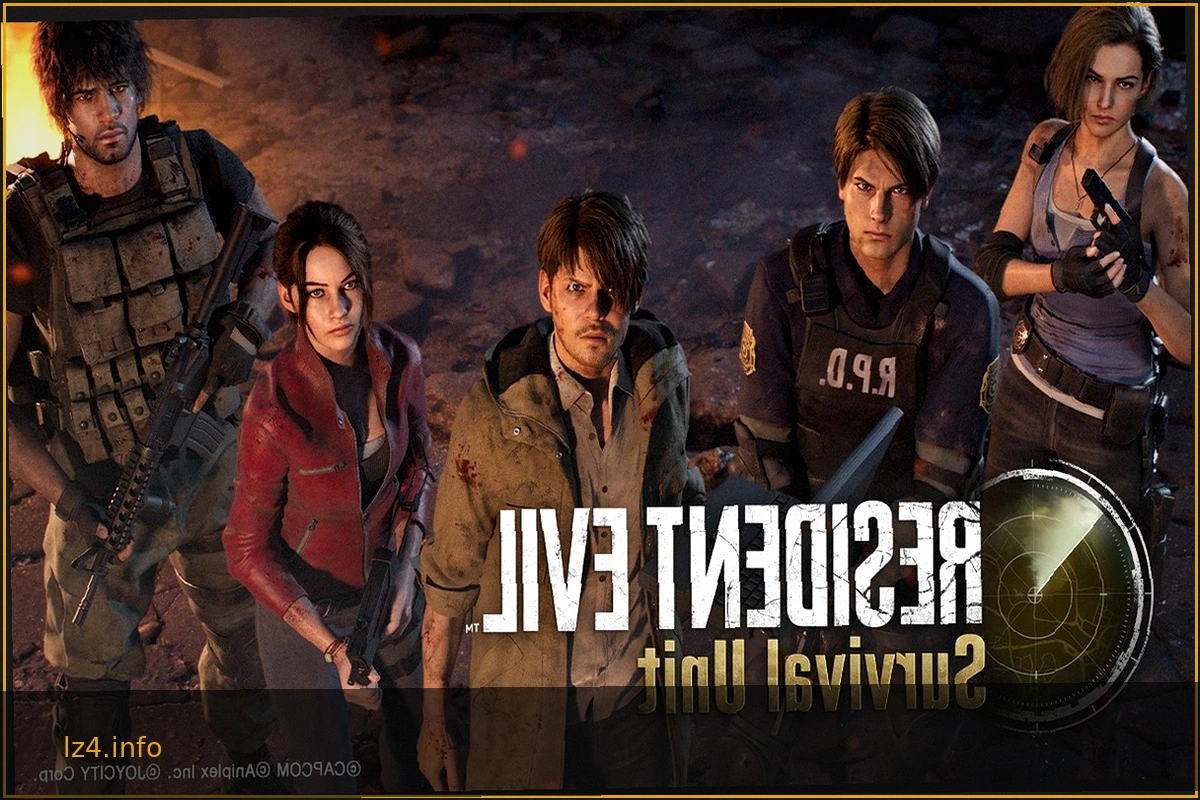
Resident Evil Survival Unit: Active Promo Codes October 2026
Resident Evil Survival Unit, a mobile game from Capcom's survival horror franchise released in September 2025, offers promotional codes for player benefits, similar to experiences in Roblox or games like JoJo’s Bizarre Adventure Golden Spirit. To aid players in their missions, especially newco
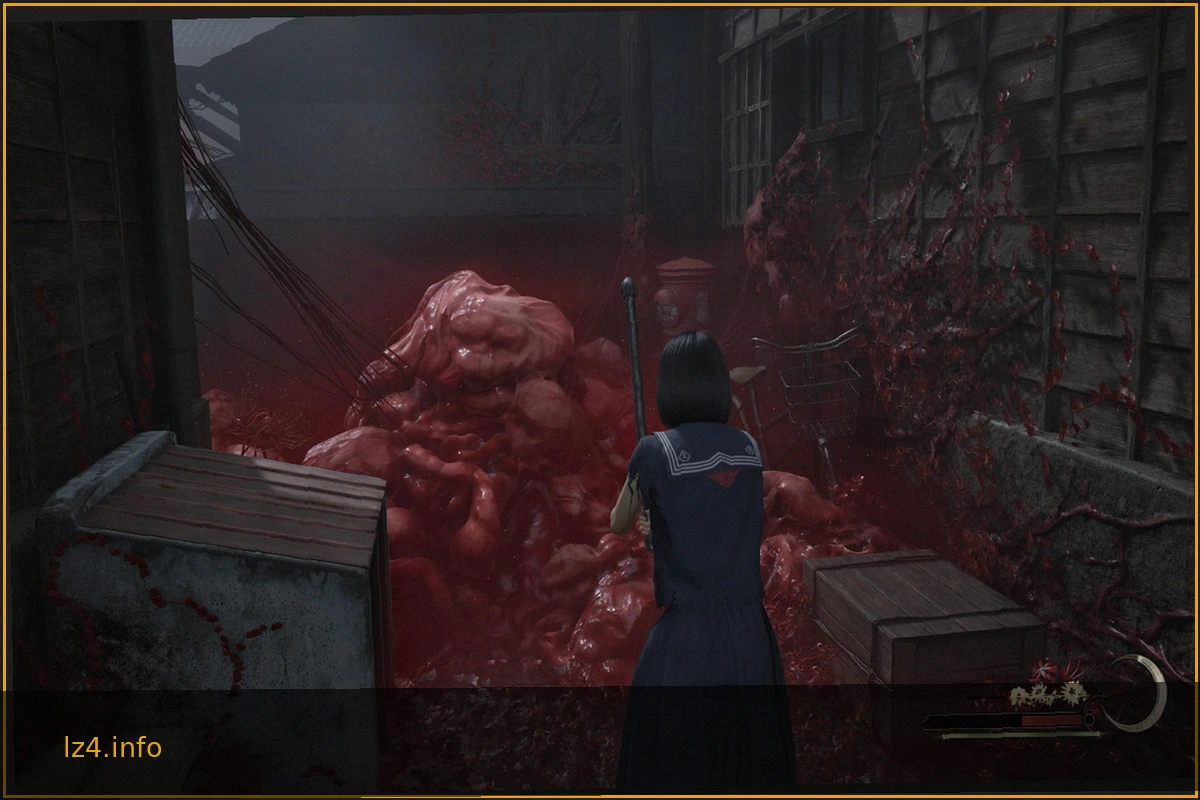
Silent Hill f Art Book Showcases Beauty in Horror
Konami announced the official art book for Silent Hill f, slated for release in Japan on December 7, 2026. The book is priced at 4180 yen (approximately $26.50 USD). Whether this publication will be released globally remains unknown. For now, fans may need to rely on international import sites
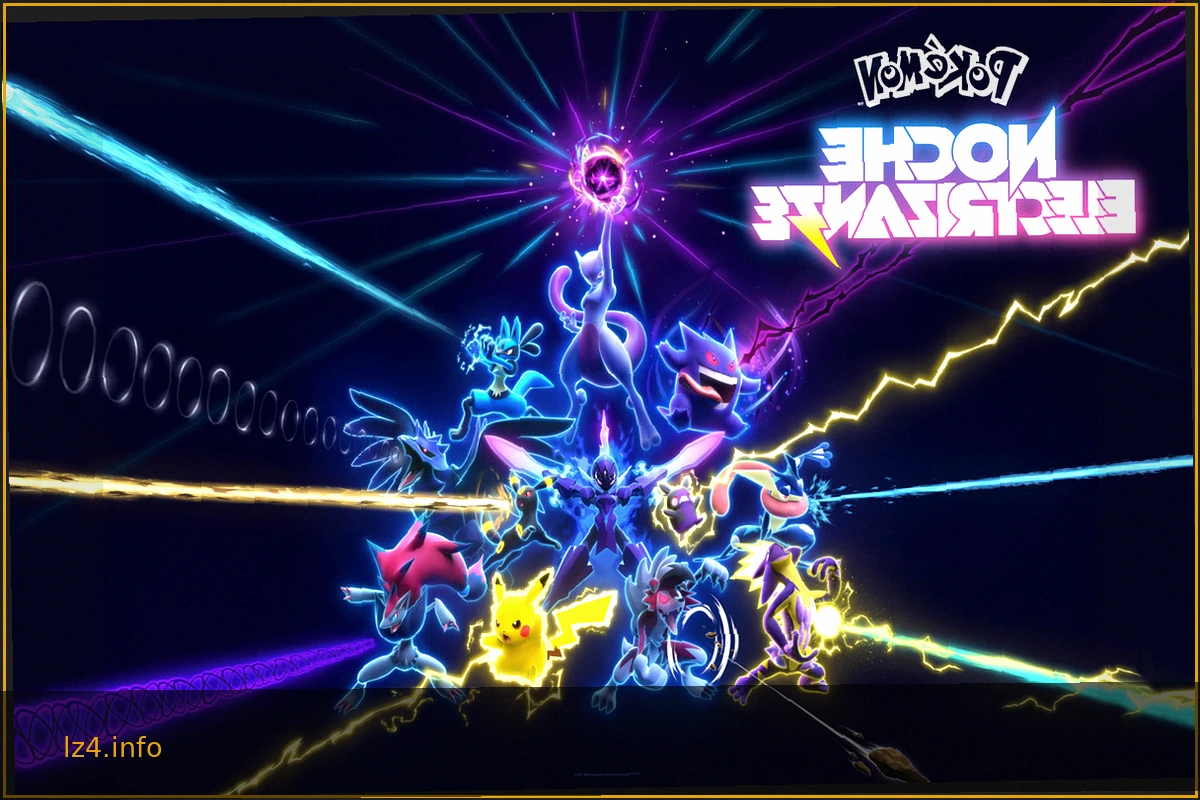
Pokémon Electrifying Night: Los Angeles Music Event to Stream Live on Twitch & YouTube
For the first time, the world of Pokémon merges with electronic music at Pokémon Electrifying Night, a live concert happening in Los Angeles on Saturday, October 24, 2026. Trainers worldwide can tune into the official Pokémon channels on YouTube and Twitch to watch the live broadcast and join
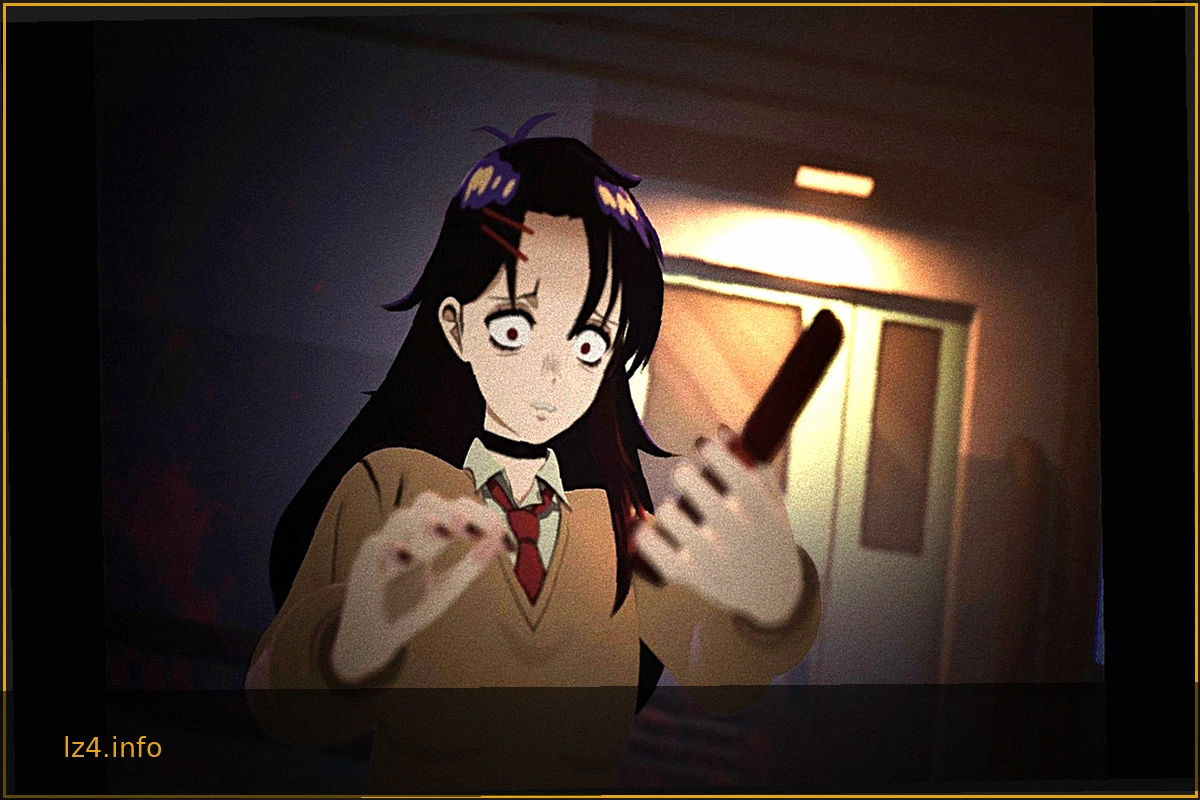
Signal Veil: Chilean Studio Time Hunters Reveals New Survival Horror Title
Seraphini Productions, known for the Broken Lore horror game series, has teamed up with Chilean indie studio Time Hunters to develop a new survival horror game called Signal Veil. The game features an anime aesthetic and puts players in control of Aki, a teenager who begins experiencing s
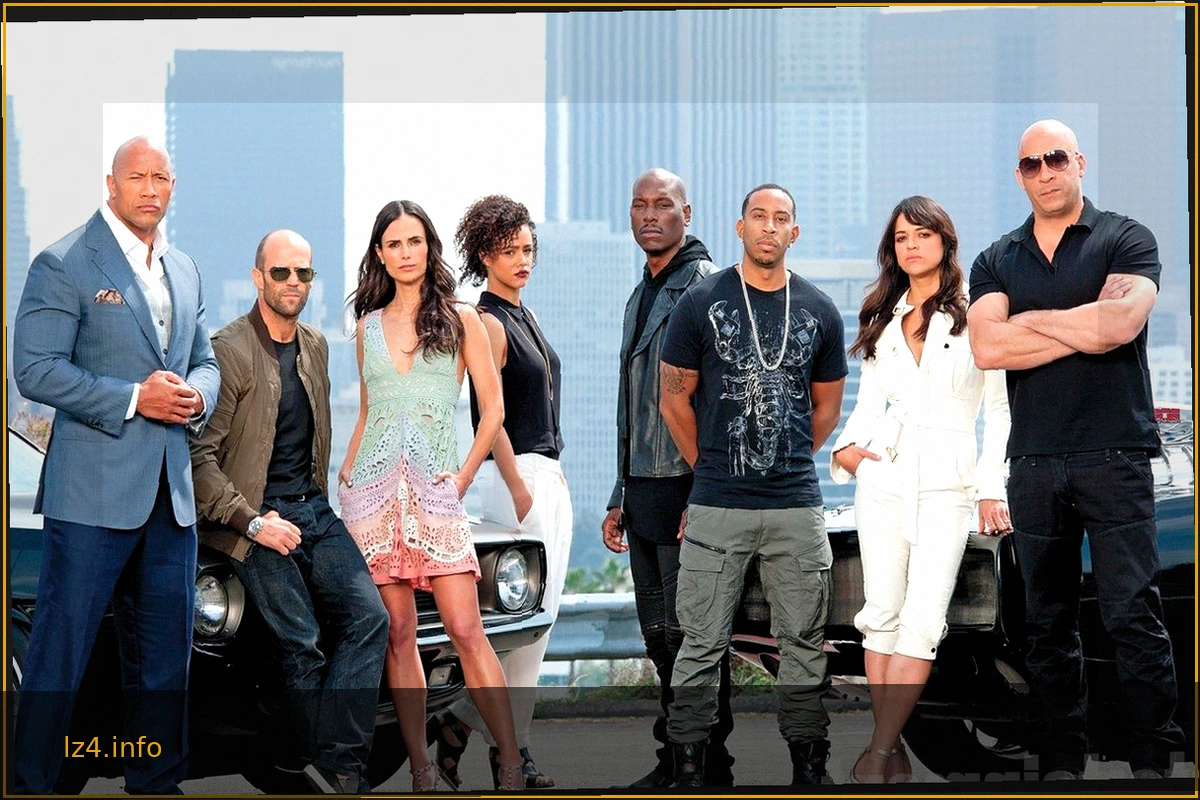
Peacock Greenlights Toretto-Produced Series Ahead of Fast & Furious 11
While waiting for Fast & Furious 11, Peacock has given the official go-ahead to a new series. This show is slated for release in 2028, the same year the franchise's final film is set to debut. Vin Diesel is attached as an executive producer. Diesel stated that the studio recognized fans'