Tomodachi Life: Living the Dream: Virtual Miis with a Comedian Spirit That Works
While Tomodachi Collection was the pioneering title for the franchise on Nintendo DS in Japan, it was Tomodachi Life for the 3DS that truly launched the series to international recognition, amassing a substantial following. Though it might not have reached the monumental scale of Animal Crossing, its potential for growth on the Nintendo Switch, with over 155 million consoles sold, is undeniable. Interestingly, Pokémon Pokopia, another life simulator distributed by Nintendo, debuted as a Switch 2 exclusive, but its sales figures currently remain far behind those of the original Switch.

This strategic move is a major strength for Tomodachi Life: Living the Dream. Despite not having a native Switch 2 version, it stands out as one of the few first-party Nintendo titles slated for release on the predecessor system in 2026, which plays directly into its favor. Animal Crossing: New Horizons, even with its recent updates, is now a six-year-old game on Nintendo's original hybrid console. Therefore, until a new Animal Crossing title arrives on Switch 2, the Miis will shoulder the responsibility of representing life simulators within the Nintendo Switch ecosystem.
Through the "Welcome Version" demo of Tomodachi Life: Living the Dream, we've had the opportunity to revisit its core mechanics and confirm that the experience largely maintains the essence of previous iterations. Once again, Miis move to an island to begin new lives, cultivate relationships, and raise families, but with a notable change: they now inhabit individual houses instead of being confined to an apartment tower. A significant improvement is the increased flexibility in pairing characters—including same-sex and non-binary Miis. Moreover, during character creation, players can specify real-life relationships, which the game takes into account to prevent awkward interactions.


For example, Miis representing real-life family members will not develop romantic interests, a safeguard not necessarily present between two strangers or close friends. Likewise, romantic pairings are appropriately restricted to adults with adults and children with children—an absolutely vital feature. While the demo limits players to three characters, the full version will grant access to a vast array of Miis, allowing players to create them from scratch or import existing ones from their Switch console. The Mii system's fluidity is impressive, enabling a Mii "born" on a Wii to be seamlessly transferred to 3DS, Wii U, and Switch. In contrast, Miis from Tomodachi Collection on DS remained confined to their respective cartridges.

Essentially, the Miis in Tomodachi Life: Living the Dream function as "virtual pets." Players must feed them to raise their levels, unlocking new gestures, movements, dreams, and even gift items. Their needs extend beyond realistic-looking meals; social interaction is equally crucial, mirroring real life. By playing matchmaker, simply dragging one Mii in front of another can initiate an introduction and conversation, potentially blossoming into friendship or something more. While personalities and shared interests influence compatibility, as the saying goes, opposites can also attract.
A key differentiator for Tomodachi Life, setting it apart from other casual life simulators like MySims or even Animal Crossing, is its distinctive, often bizarre, and lighthearted humor. It frequently ventures into the nonsensical but never devolves into the grotesque. In one way or another, it is guaranteed to elicit smiles and laughter, perhaps due to the peculiar situations in which our Miis find themselves—a characteristic it shares with Miitopia. Complementing this is a robust customization system, featuring a wide array of clothing options that rival any game with in-game boutiques.

Leveraging the console's real-time clock, players progressively unlock various stores and shops, invigorating the island's economy. While island decoration is possible, its depth remains to be fully seen (at least in the demo). The complete version will reveal whether the game can sustain engagement beyond its initial hours and potentially become a social media phenomenon, much like New Horizons once was. Tomodachi Life: Living the Dream is clearly aimed at families and couples, and the ability to represent oneself through Miis, rather than a generic avatar, is a significant advantage. We confidently anticipate a growing fanbase for this quirky title.
Tomodachi Life: Living the Dream is scheduled for release on Nintendo Switch on April 16th.
Fresh materials — Esports

Rise of the Tomb Raider Collector's Edition for Switch 2: A Disappointing Physical Release
Limited Run Games has announced a physical edition of Rise of the Tomb Raider for the Nintendo Switch 2. This cartridge release includes a standard edition for $50 USD and a collector's edition for $100 USD. The collector's edition features a steelbook case, a Trinity patch, and a light-up desk

Resident Evil Survival Unit: Active Promo Codes October 2026
Resident Evil Survival Unit, a mobile game from Capcom's survival horror franchise released in September 2025, offers promotional codes for player benefits, similar to experiences in Roblox or games like JoJo’s Bizarre Adventure Golden Spirit. To aid players in their missions, especially newco
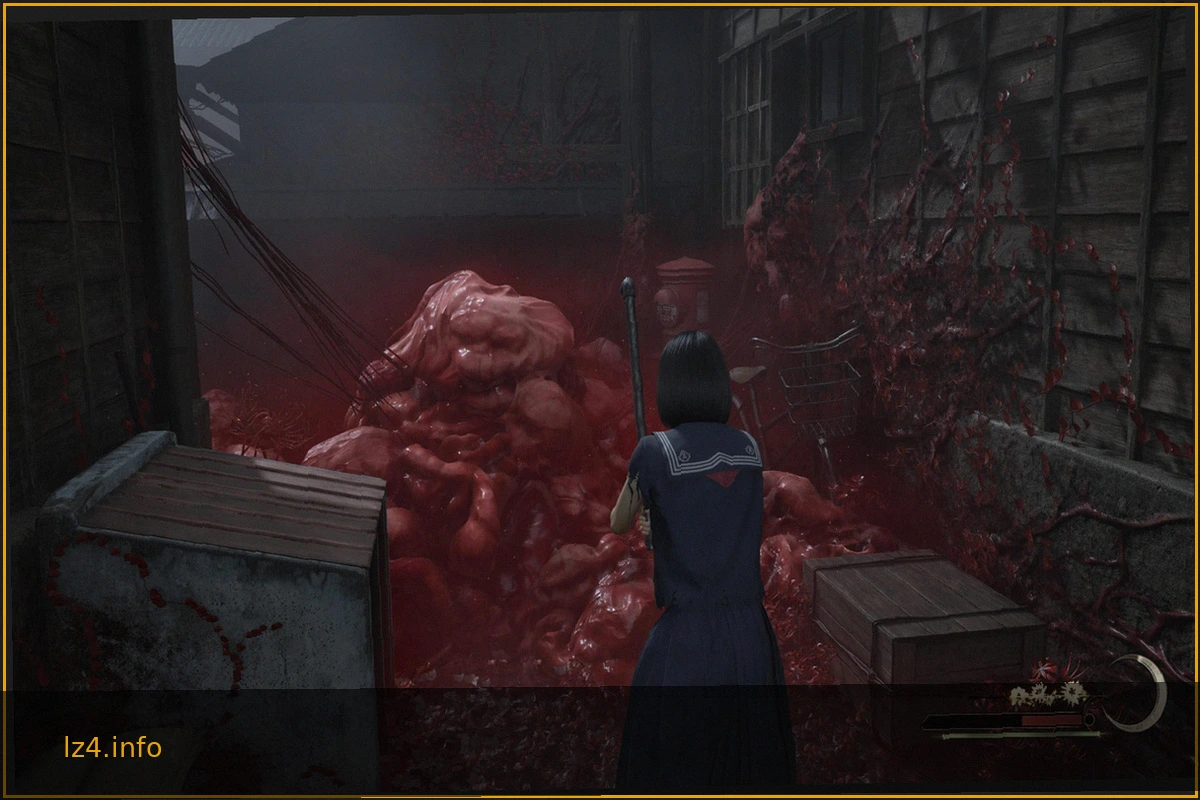
Silent Hill f Art Book Showcases Beauty in Horror
Konami announced the official art book for Silent Hill f, slated for release in Japan on December 7, 2026. The book is priced at 4180 yen (approximately $26.50 USD). Whether this publication will be released globally remains unknown. For now, fans may need to rely on international import sites
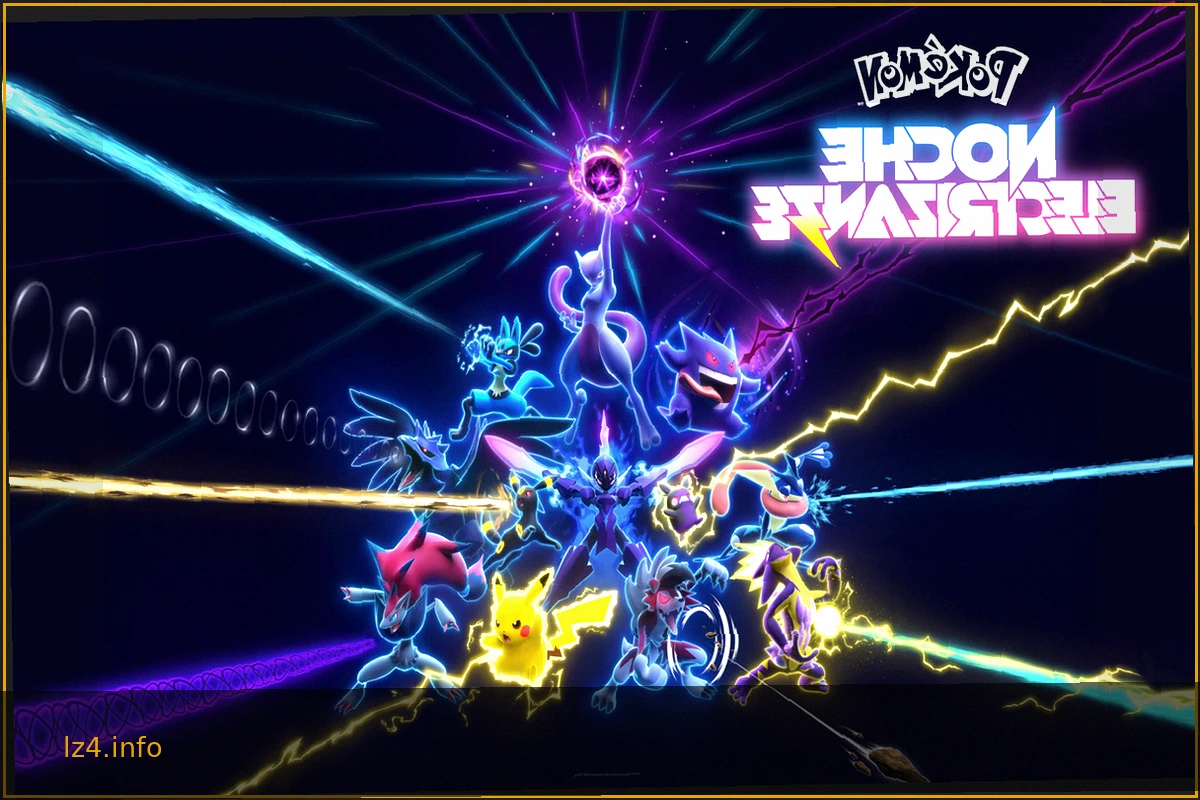
Pokémon Electrifying Night: Los Angeles Music Event to Stream Live on Twitch & YouTube
For the first time, the world of Pokémon merges with electronic music at Pokémon Electrifying Night, a live concert happening in Los Angeles on Saturday, October 24, 2026. Trainers worldwide can tune into the official Pokémon channels on YouTube and Twitch to watch the live broadcast and join
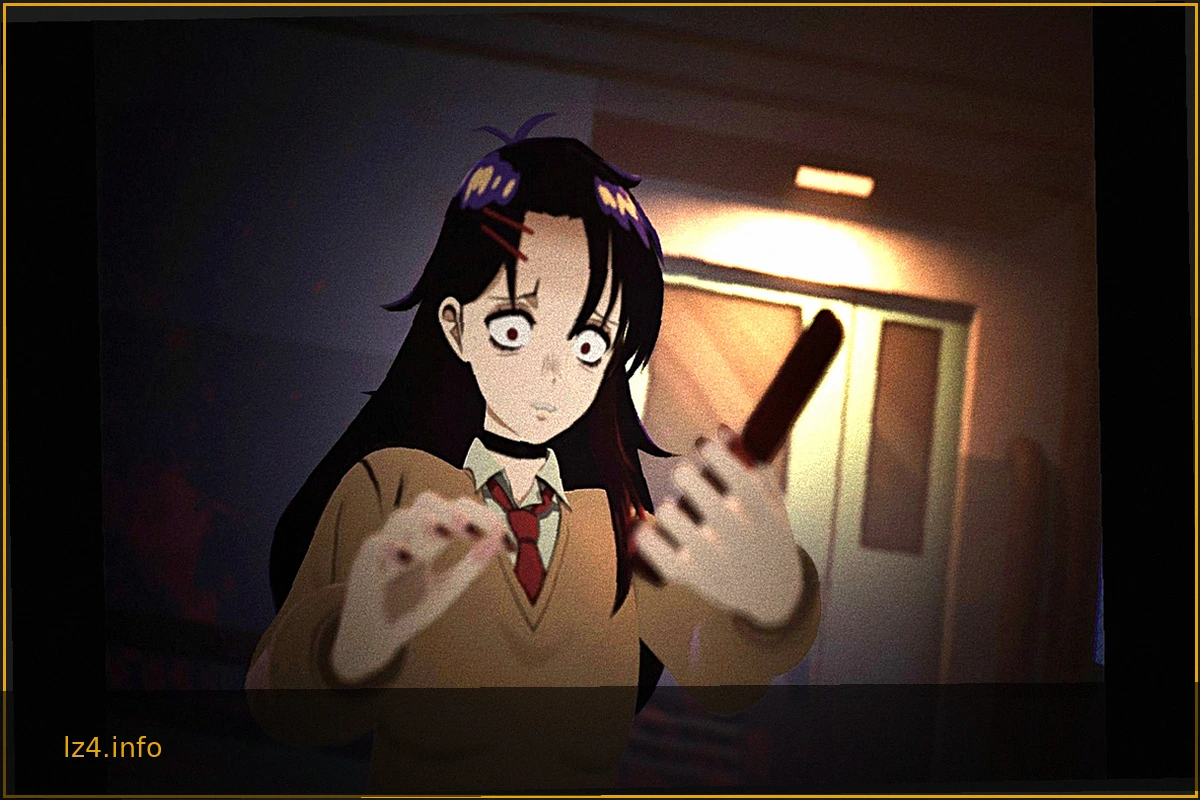
Signal Veil: Chilean Studio Time Hunters Reveals New Survival Horror Title
Seraphini Productions, known for the Broken Lore horror game series, has teamed up with Chilean indie studio Time Hunters to develop a new survival horror game called Signal Veil. The game features an anime aesthetic and puts players in control of Aki, a teenager who begins experiencing s

Peacock Greenlights Toretto-Produced Series Ahead of Fast & Furious 11
While waiting for Fast & Furious 11, Peacock has given the official go-ahead to a new series. This show is slated for release in 2028, the same year the franchise's final film is set to debut. Vin Diesel is attached as an executive producer. Diesel stated that the studio recognized fans'